
Hodges Caldwell Jr.
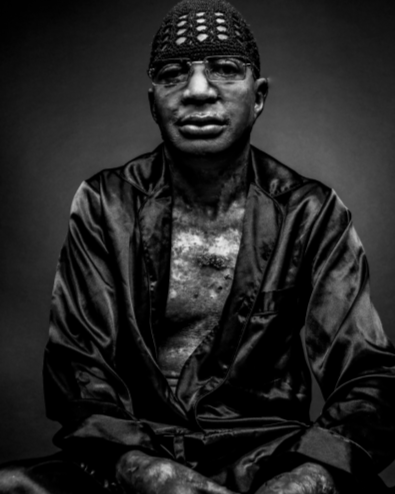

Early Life and Education: From a young age, Hodges faced the challenges of living with EB, a rare genetic skin condition. His mother, Jennifer Holloman, sought support and guidance from a group of parents in similar situations. This group eventually evolved into the nonprofit organization Debra of America, which plays a crucial role in supporting individuals and families affected by EB. In 1983, Jennifer attended the Debra Care Conference, an event initiated by Arlene Pessar, the founder of Debra of America, which brought together patients, doctors, and specialists. It was at this event where Jennifer connected with Dorothea Caldwell, a representative from Rockefeller University Hospital, which led to a life-changing opportunity for Hodges.
Medical Journey: Hodges and his family moved to New York to pursue advanced treatment at Rockefeller University Hospital. Over approximately four years, he underwent groundbreaking therapies, including one of the first successful skin grafts performed on an entire face. He also participated in nutritional studies and played a pivotal role in preclinical trials for new treatments, notably being the first patient to try pseudomonic acid, which is now known as Bactroban or its generic version, Mupirocin ointment.
Adult Life and Career: Continuing his involvement in the EB community, Hodges participated in numerous clinical trials, contributing to the development of treatments and therapies for EB. His personal experience and deep understanding of the condition's impact on individuals and families inspired him to establish EBLifeStyle Inc. As the founder and CEO of EBLifeStyle Inc., Hodges dedicates his efforts to providing support and resources to those living with EB. His nonprofit organization aims to emulate the help he received throughout his life, ensuring that others affected by EB have access to the care and community they need.
Philosophy and Vision: Hodges believes that his journey has come full circle, with the creation of EBLifeStyle Inc. serving as a natural progression in his life's work. His commitment to the EB community reflects his desire to pay forward the support he received, fostering a future where individuals with EB can lead fulfilling lives.